Once the beating heart of the Roman Empire's eastern frontier, Ephesus rose from a humble Bronze Age settlement to become one of the most powerful and populous cities in the ancient world. Its marble streets, colossal monuments, and layered stories of gods, emperors, and apostles continue to astonish every visitor who walks through its legendary gates.
The story of Ephesus stretches back to at least the 10th century BC, when Ionian Greek colonists, led by the legendary prince Androclus of Athens, established a settlement on the western coast of Anatolia — in what is now modern Turkey. Yet archaeological evidence reveals human habitation in the region as far back as the Bronze Age, around 6000 BC, predating the Greeks by thousands of years. Hittite records from the second millennium BC reference a nearby place called Apasa, strongly believed to be the forerunner of Ephesus, suggesting that long before Greek sails appeared on the horizon, this fertile Aegean coastline was already home to a thriving, organised civilisation.
With the arrival of the Ionians, Ephesus quickly grew into a significant city-state, its fortunes intimately tied to a deep natural harbour that made it indispensable for Aegean trade. The city changed hands repeatedly in its early centuries — absorbed into the Lydian kingdom under the famed King Croesus in the 6th century BC, then falling to the Persian Empire following Cyrus the Great's conquests. Each new ruler brought architectural ambition and cultural change. Croesus himself famously contributed gold columns to fund the construction of the first grand Temple of Artemis, an act of devotion that seeded one of antiquity's most breathtaking structures and established Ephesus as a sacred destination.
The arrival of Alexander the Great in 334 BC liberated Ephesus from Persian control and launched a new era of Hellenistic prosperity. Alexander famously offered to fund the completion of the great Temple of Artemis — then being rebuilt after the arsonist Herostratus burned it down in 356 BC — but the Ephesians diplomatically declined, saying it was not fitting for one god to build a temple to another. The temple was eventually completed to staggering proportions: roughly 137 metres long and 69 metres wide, supported by 127 marble columns each standing 18 metres tall. Declared one of the Seven Wonders of the Ancient World, it drew pilgrims, merchants, and curiosity-seekers from across the Mediterranean world.
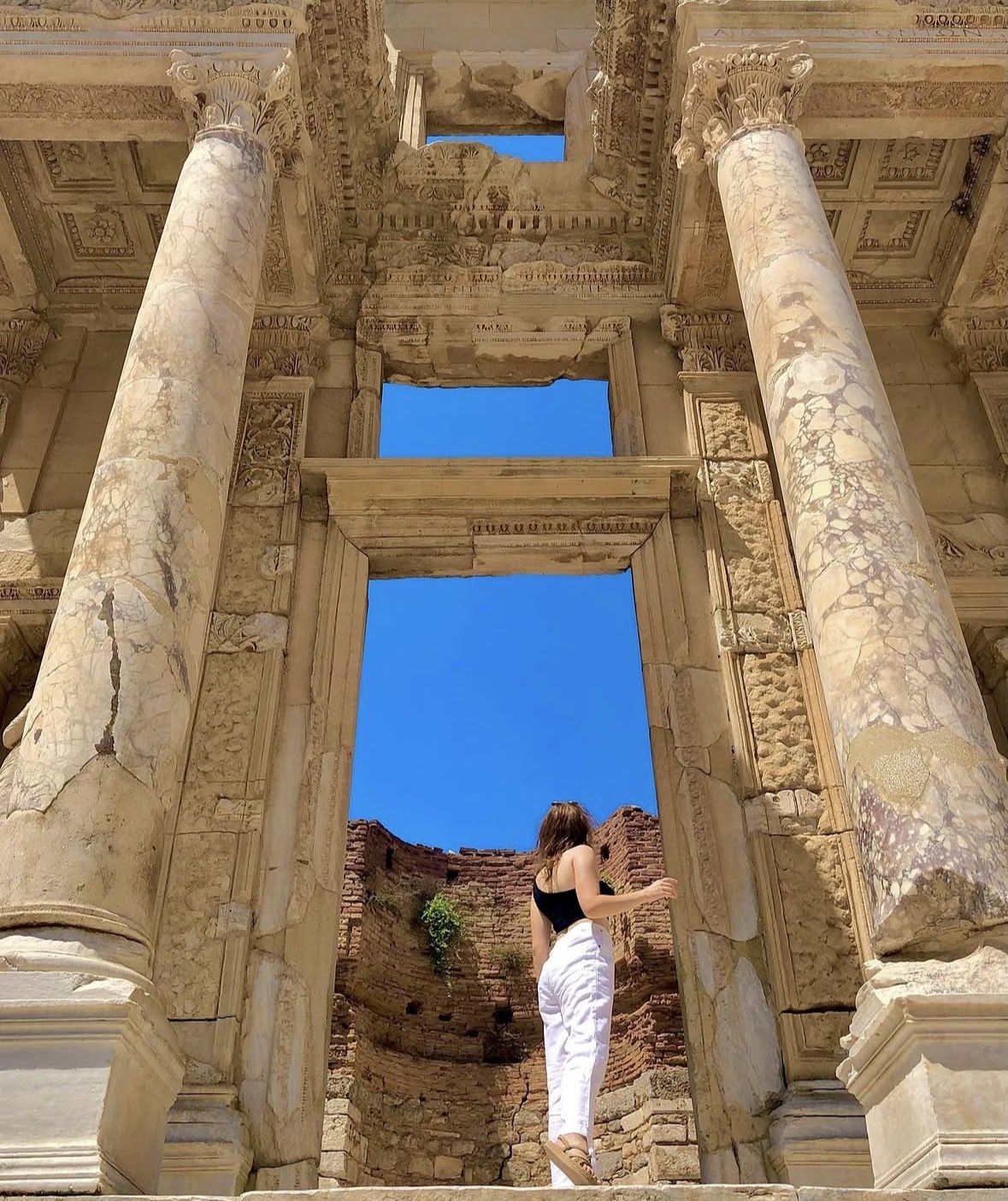
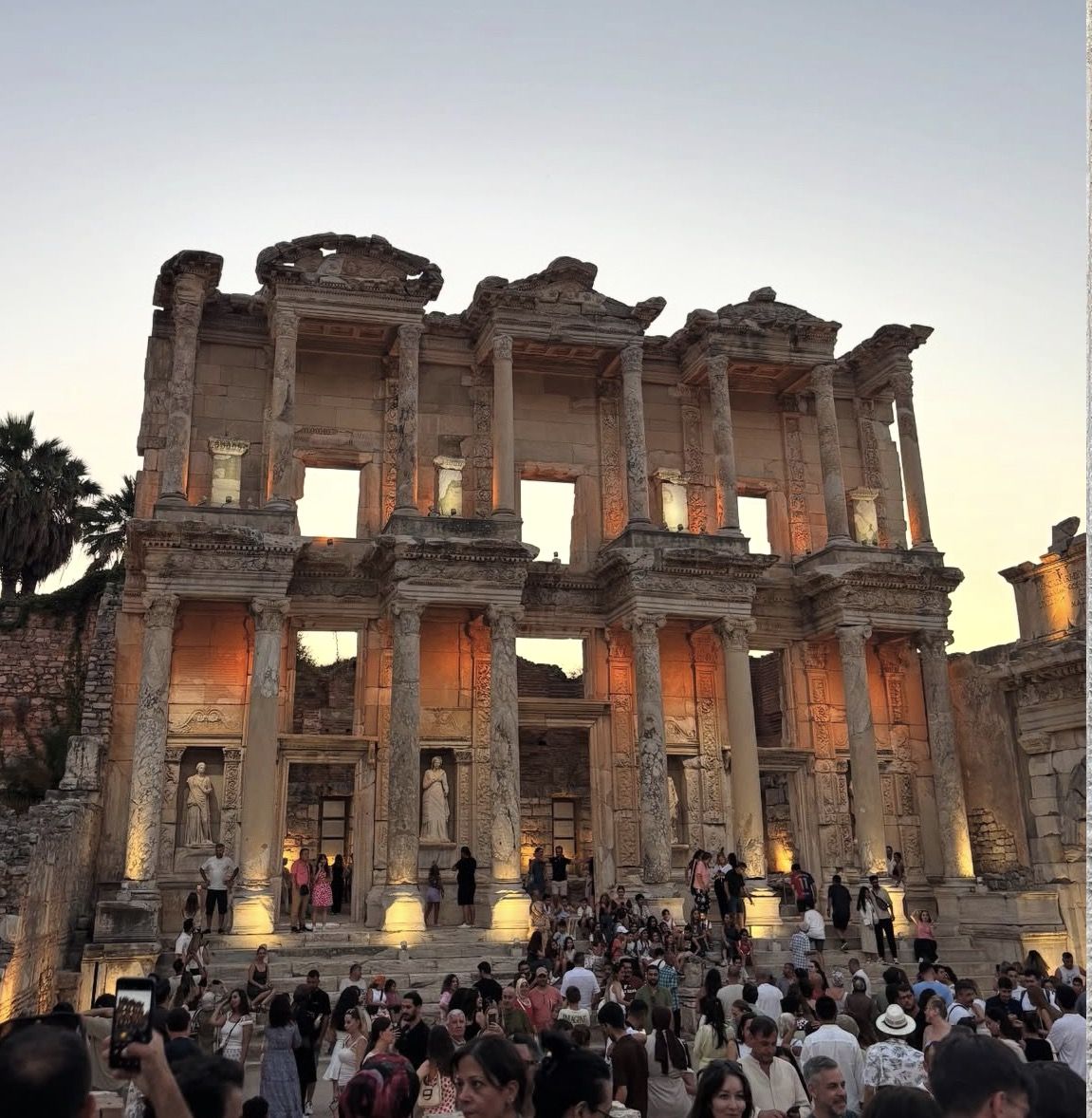
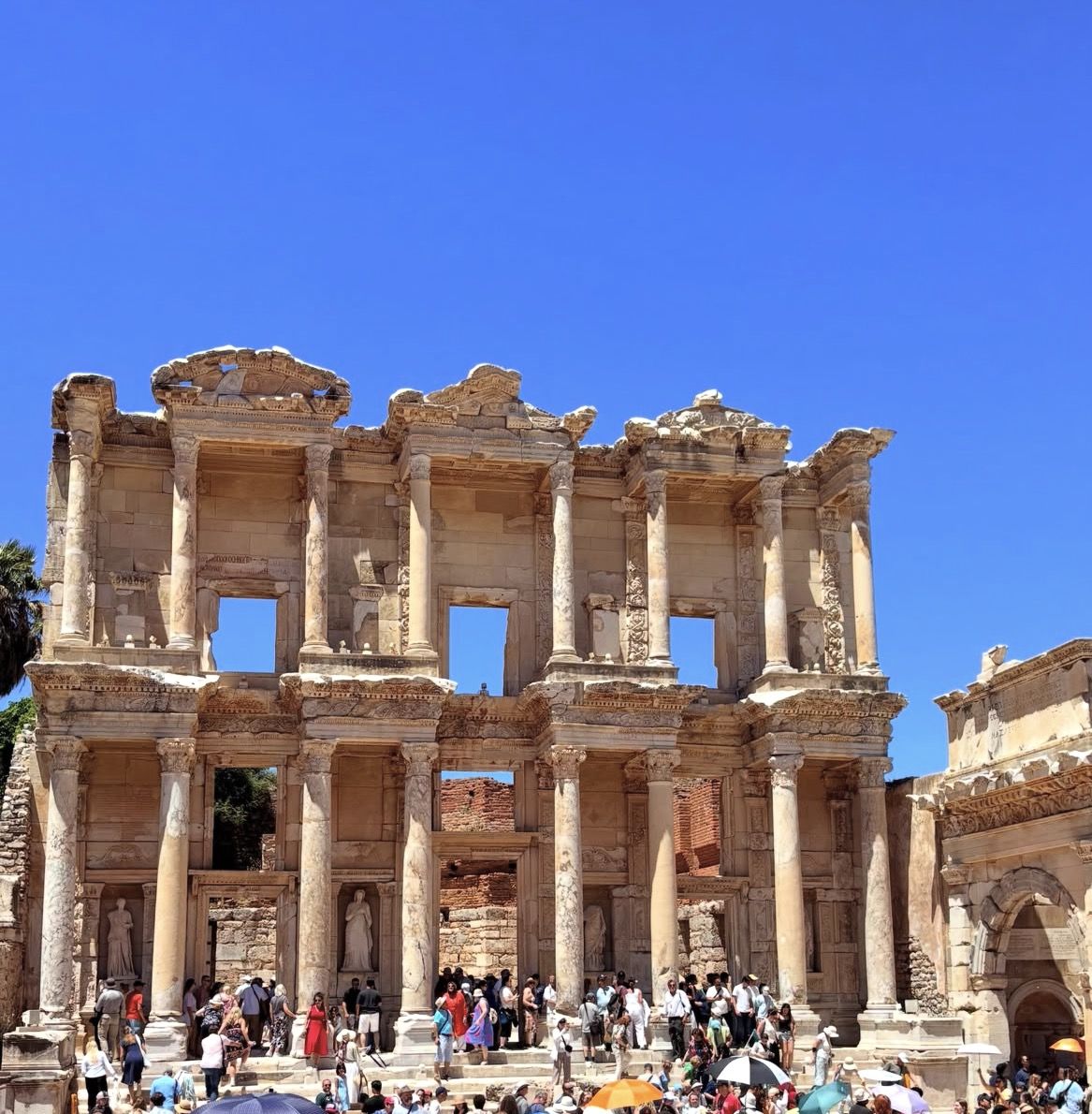
Ephesus reached the zenith of its power and magnificence under Roman rule, particularly from the 1st century BC onward. Designated the capital of the Roman province of Asia, the city swelled to a population estimated between 200,000 and 500,000 inhabitants, making it one of the largest urban centres in the entire empire. Grand public works transformed the cityscape: the Library of Celsus, completed around AD 117, became one of the most celebrated buildings in the Roman world, its elegant two-storey facade still rising magnificently from the ruins today. The Great Theatre, carved into the slope of Mount Pion, seated approximately 25,000 spectators and hosted everything from theatrical performances to gladiatorial combat.
Ephesus also became a pivotal site in early Christian history, lending it a second, equally profound layer of significance. The Apostle Paul lived and preached here for around three years in the AD 50s, and his presence sparked a famous riot among silversmiths whose trade in Artemis figurines was threatened by his teachings — an incident recorded in the Acts of the Apostles. Tradition holds that the Virgin Mary spent her final years near Ephesus, and the House of the Virgin Mary on nearby Bülbüldağ Hill remains a revered pilgrimage site to this day. The Gospel of John is also traditionally associated with Ephesus, and the city later hosted the Third Ecumenical Council in AD 431, cementing its role in the foundations of Christianity.
The gradual decline of Ephesus was set in motion by forces both natural and political. As the harbour began silting up — a process that accelerated through the 1st and 2nd centuries AD despite repeated attempts to dredge it — the city slowly lost its commercial lifeblood. A series of devastating earthquakes, Gothic raids in AD 263, and shifting trade routes further weakened Ephesus across the late Roman and Byzantine periods. By the medieval era, the once-magnificent metropolis had contracted to little more than a small settlement clustered around the Basilica of St. John, built by Emperor Justinian I in the 6th century over the reputed tomb of the Apostle John, a structure whose ruins still command the hillside above the modern town of Selçuk.
The Seljuk Turks captured the region in the 11th century, followed by the Mongol invasions of the 14th century, and the final abandonment of the ancient site was complete by the 15th century. For several hundred years, the ruins of Ephesus lay largely buried beneath silt and earth, their grandeur forgotten beneath the Anatolian landscape. It was not until 1869 that British engineer and amateur archaeologist John Turtle Wood, funded by the British Museum, began systematic excavations at the site. His discoveries — including the long-sought remains of the Temple of Artemis — captured the imagination of Victorian Europe and set the stage for the comprehensive archaeological campaigns that would follow.
The Austrian Archaeological Institute has led ongoing excavations at Ephesus since 1895, making it one of the longest-running and most productive archaeological projects in the world. Their meticulous work has progressively revealed the city's extraordinary complexity, from the opulent Terrace Houses — private mansions whose intact frescoes and mosaic floors offer an intimate window into Roman domestic life — to elaborate public latrines, a vast agora, and a sacred road once lined with statues. In 2015, UNESCO inscribed Ephesus on the World Heritage List, formally recognising it as a site of outstanding universal value and ensuring international commitment to its preservation for future generations.
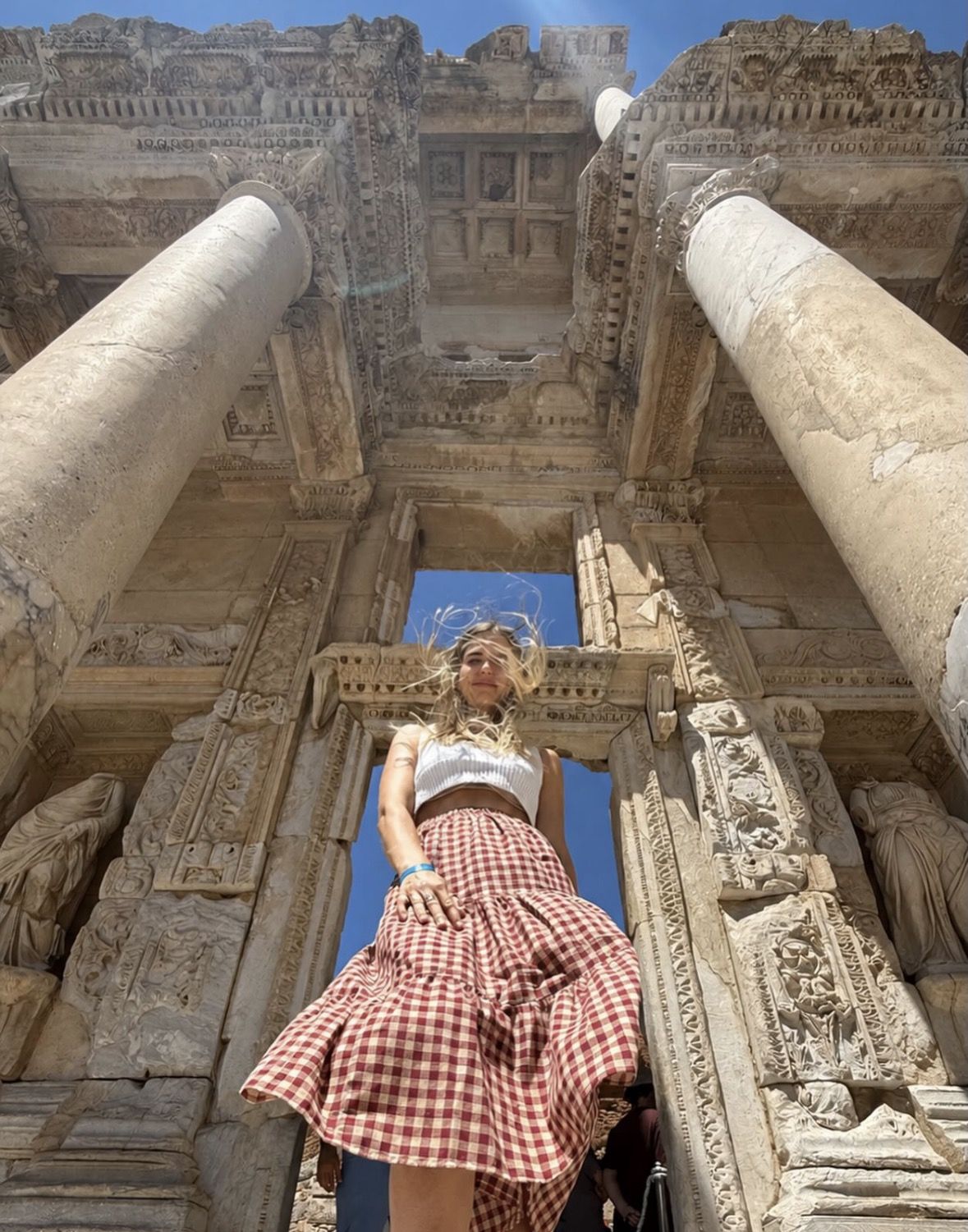
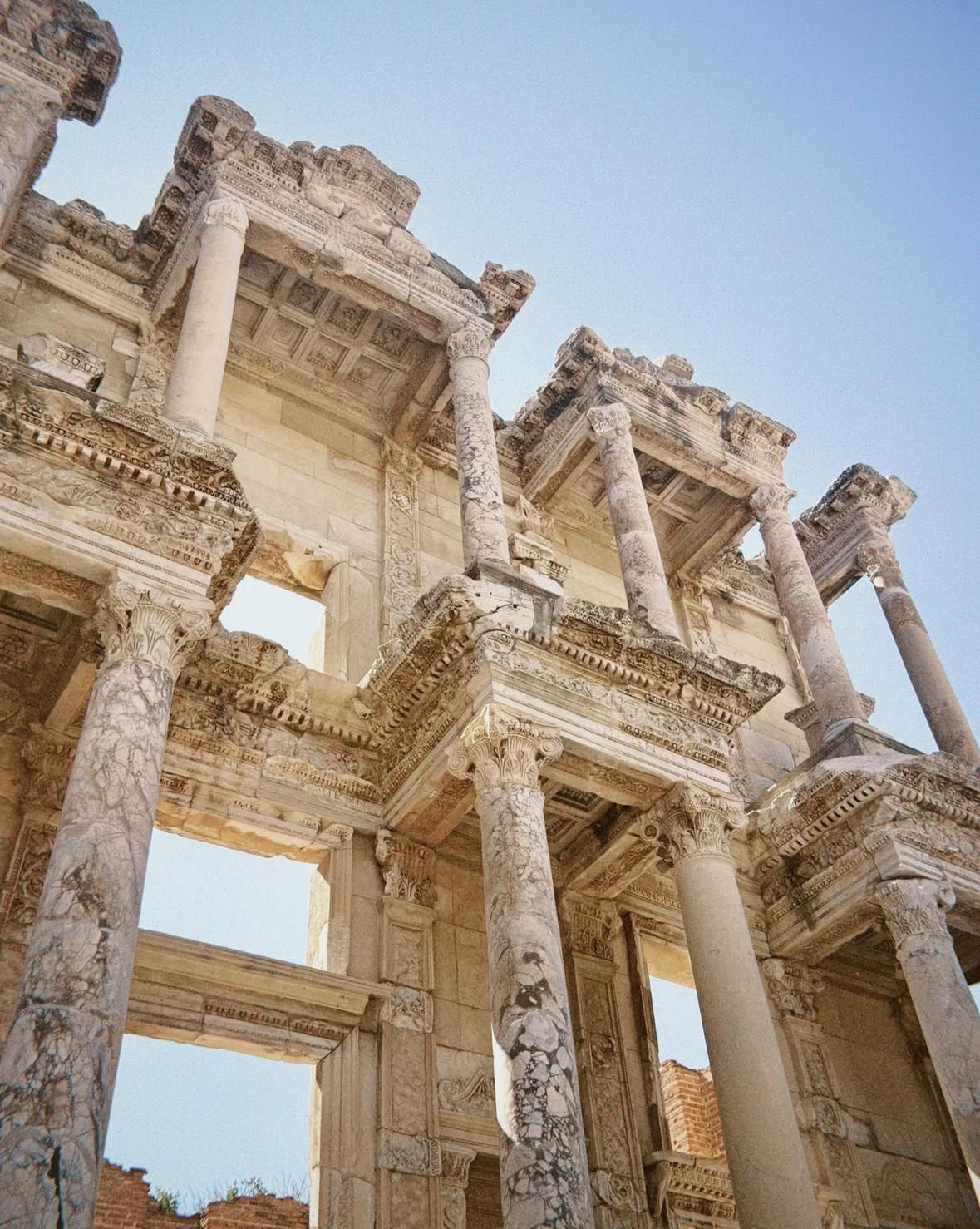
Today Ephesus is Turkey's most visited archaeological site, attracting over 1.5 million visitors annually from every corner of the globe. The main archaeological zone, located just outside the modern town of Selçuk in Izmir Province, is a vast open-air museum where visitors walk the same marble-paved streets once trodden by Roman senators, early Christian apostles, and Hellenistic merchants. The iconic Library of Celsus facade, painstakingly reconstructed between 1970 and 1978 by the Austrian Archaeological Institute, is one of the most photographed ancient monuments in the world. Guided tours weave through the monumental Gate of Hercules, past the Temple of Hadrian, and down Curetes Street toward the magnificent Great Theatre, where acoustics that once carried Greek tragedy still impress modern visitors.
Beyond the main ruins, a cluster of complementary sites enriches the Ephesus experience: the Ephesus Archaeological Museum in Selçuk houses priceless artefacts including two extraordinary statues of Artemis; the House of the Virgin Mary draws Catholic pilgrims and has been visited by three sitting popes; and the Basilica of St. John offers panoramic views across the valley. The Terrace Houses, covered by a specially designed climate-controlled structure, provide an unrivalled insight into Roman luxury, with ongoing restoration work visible to visitors. Whether you are a history enthusiast, a person of faith, an architecture lover, or simply a curious traveller, Ephesus delivers one of the most profound and awe-inspiring encounters with the ancient world available anywhere on earth — and it is waiting for you.
Ready to Experience It Yourself?
A visit to Ephesus is a once-in-a-lifetime journey through three thousand years of human civilisation, and the right guide makes all the difference. Browse our handpicked selection of expert-led Ephesus tours — from small-group deep dives to private full-day excursions from Izmir or Kusadasi — and secure your place among the ancient colonnades today. Book now and step into a story that has captivated travellers for centuries.
Book Your Tour Now